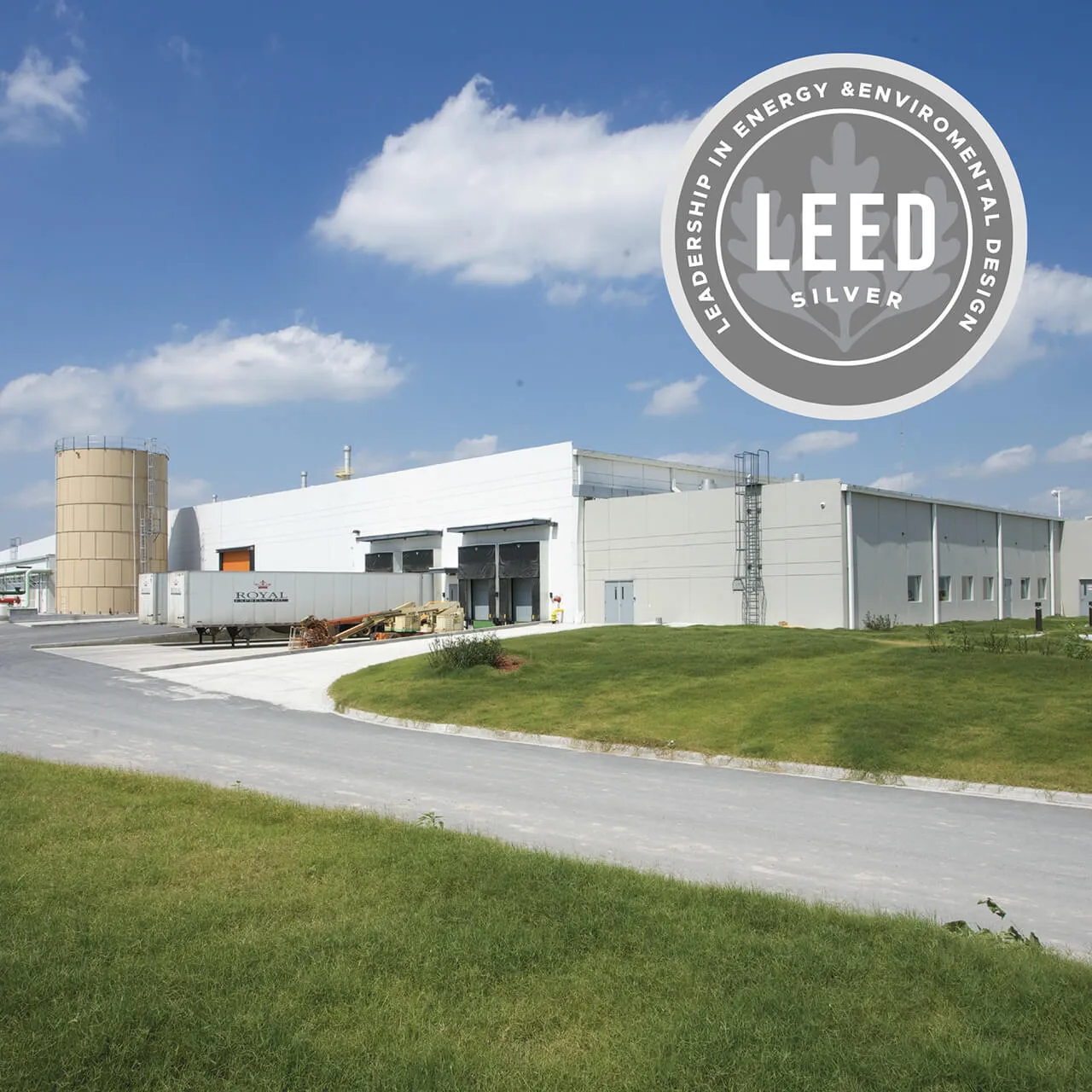
Learn about our LEED-certified projects by GP Construcción

At GP, we build projects that protect the environment through resilient and energy-efficient infrastructure solutions. We have four buildings that have earned LEED certification, a standard developed by the U.S. Green Building Council that evaluates multiple aspects of construction projects, such as efficient water use, material selection, indoor environmental quality, and innovative design. We invite you to learn more about them.
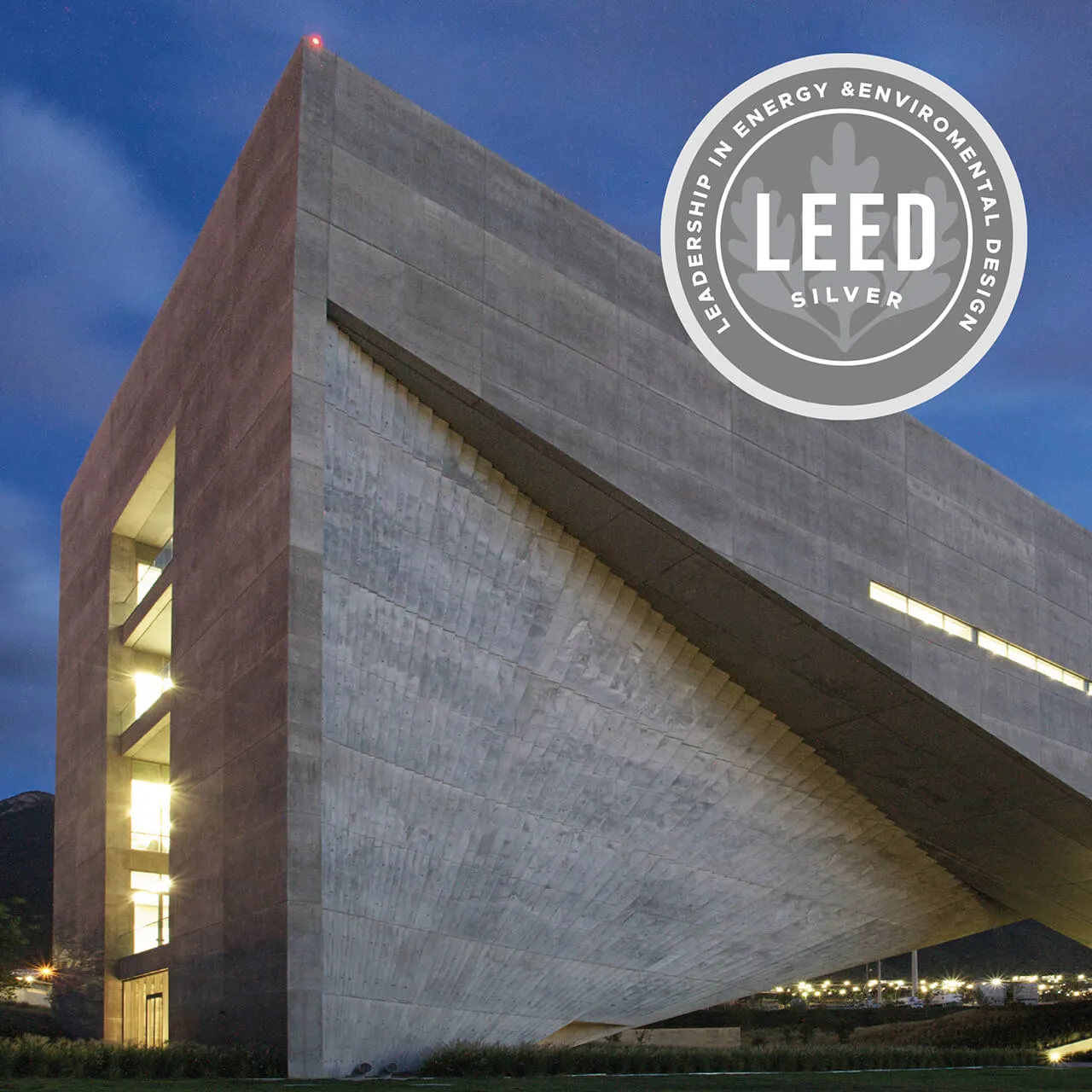
Roberto Garza Sada Center - UDEM
It is a sustainable and environmentally friendly architectural complex, and it is the first project in Nuevo León to receive LEED Silver certification.
100% of the products used in its construction comply with the limits for organic compounds to prevent harm to health, and 82% of the remaining construction materials were reused. In addition, 49,000 plants and 157 trees that require little water were selected.
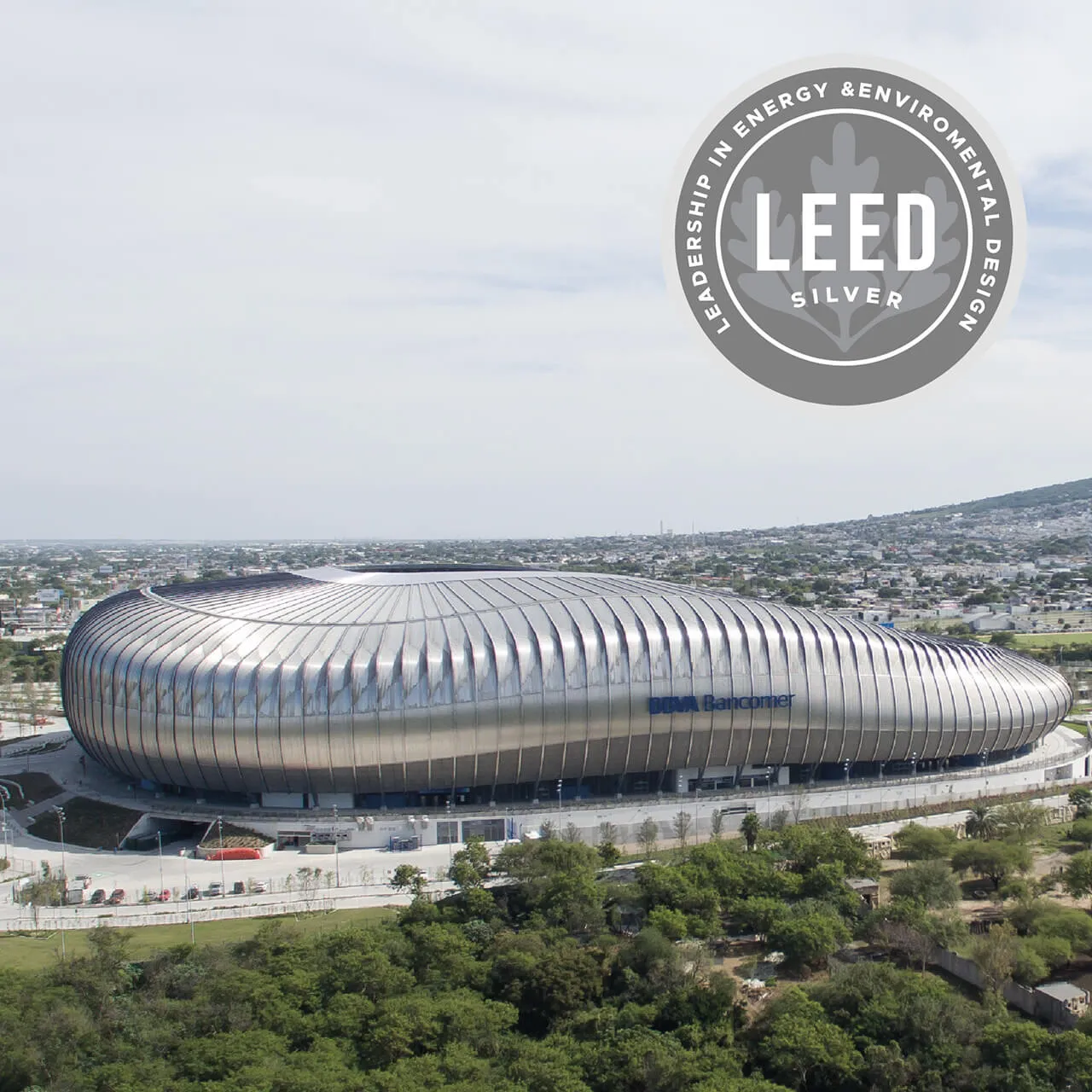
BBVA Stadium
The credits awarded to the stadium earned it LEED Gold certification—one of the highest levels—and it is the first soccer stadium in the Americas to receive this recognition.
Its architecture was designed to save up to 30% in energy consumption thanks to the medium- and low-voltage equipment installed, and more than 13 km of the Río La Silla Ecological Park were restored.
It intelligently controls its lighting systems, and state-of-the-art electrical equipment has been installed, providing complete safety even under the most extreme conditions.
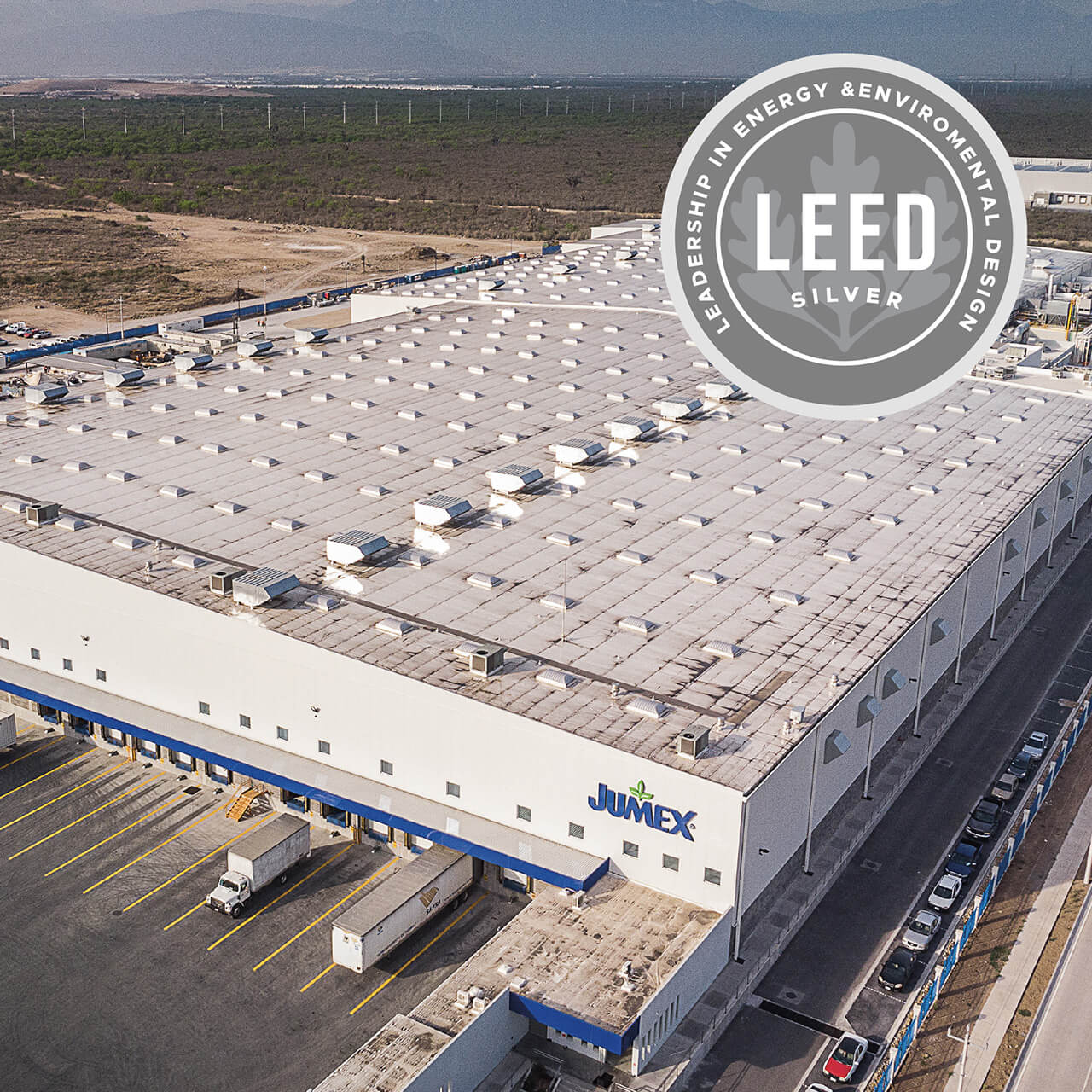
Jumex Interpuerto Plant
The Jumex Interpuerto Plant is one of the company's most important facilities. The building prevents heat buildup through insulation panels on the facade and roof.
High-end, environmentally friendly materials that met certain low VOC standards were selected for its construction, and a Building Management System (BMS) was implemented.
Caterpillar Plant
Its LEED certification in Mexico makes it one of the most significant projects in its field. 100% of the products used comply with limits on organic compounds to prevent harm to health, and it features green spaces that incorporate native species from the region to reduce water consumption.
They save 3,863 liters of drinking water per day through the use of water-efficient fixtures and sensor-activated faucets. In addition, they use a Building Management System (BMS) to monitor the use of lighting, air conditioning, and heating systems, as well as water consumption.